SAT Math Ch.27 Statistics (II)

lilijia Posted in SAT math
Comments Off on SAT Math Ch.27 Statistics (II)

Lesson review:

  • the sample mean vs population mean
  • sample size vs population size
  • interpretation of the slope and y-intercept
  • confidence interval = (average-margin of error) to (average-margin of error)
  • the margin of error depends on a) sample size and b) variability in the data
  • standard deviation
  • association (correlation)≠ causation
  • random assignment

Homework:

1. Finish Chapter Exercise Page 243-248
2. Finish the Google Form (SAT Math Practice: Statistics) if you didn’t have a chance to do it last week.
3. Review and prepare for our final exam on 6/14 🙂

Feel free to let me know which questions (in previous chapters are OK), and I will explain those in class:)

AoPS Number Theory Ch.14(I) Linear Congruences

lilijia Posted in AoPS_Number_Theory
Comments Off on AoPS Number Theory Ch.14(I) Linear Congruences

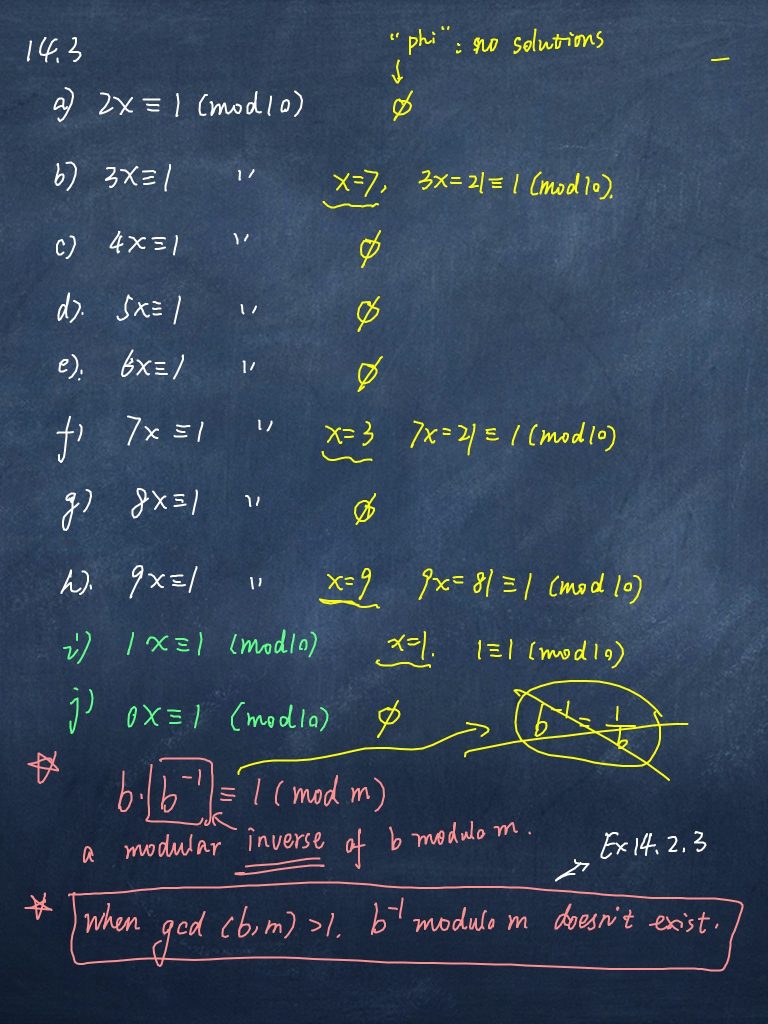
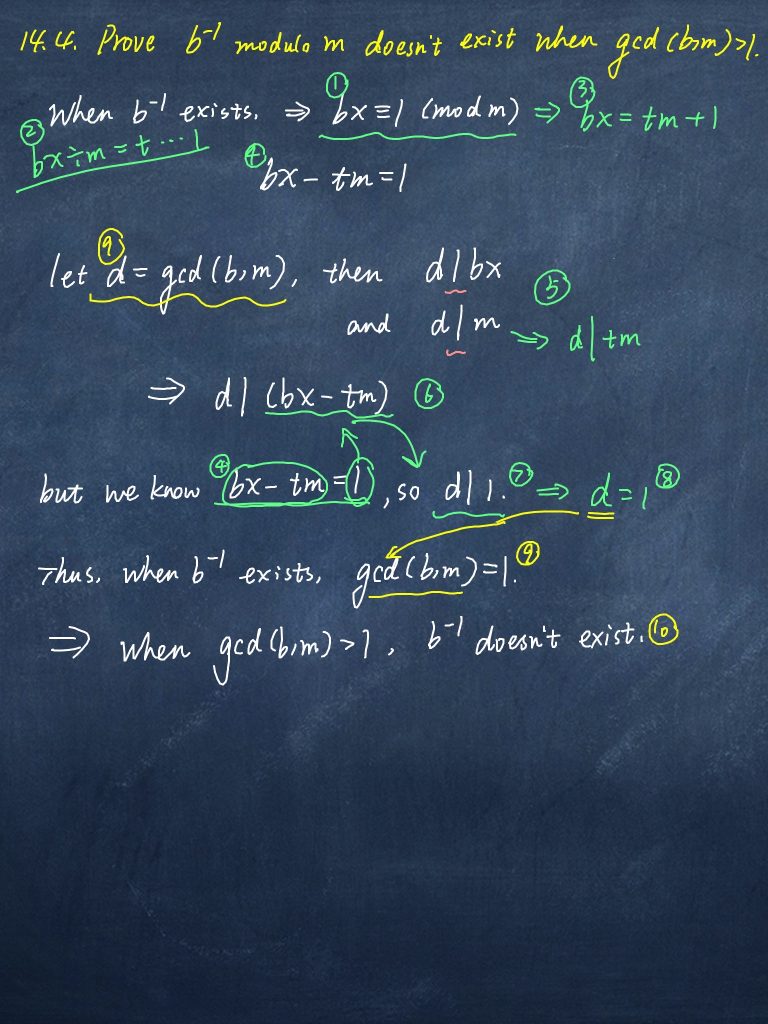
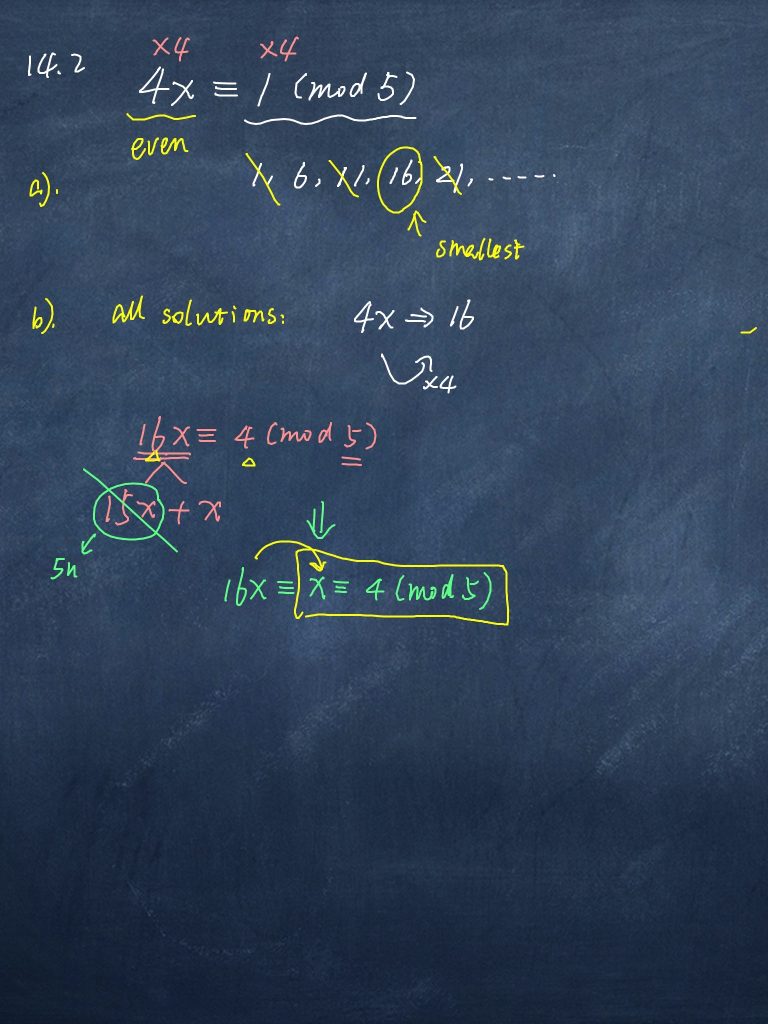
Sorry about the technical issue that I could not connect my iPad to Zoom in class today. Later on, I downloaded the newest version of Zoom and was able to do it. Here are the screenshots of the problems on my “TinyBlackboard”. I hope everyone got a clear understanding of the first part of Ch.14.

Lesson Review:

  • an inverse: b*b^(-1) is congruent to 1 (mod m)
  • only if gcd (m,r)=1, otherwise r has no reverse modulo m.

Extra Resource:

Homework:

  • P260 Problem 14.1-14.5
  • P264, Ex 14.2.1-14.2.3

Plan for the following weeks:

  • 6/7: Ch.14 (II)
  • 6/14: Ch.15
  • 6/21: Final Exam

SAT Math Ch.26 Statistics I

lilijia Posted in SAT math
Comments Off on SAT Math Ch.26 Statistics I

Congratulations to Austin, Sarah, Emma, Phoebe, and Tina on the Kahoot! Game!

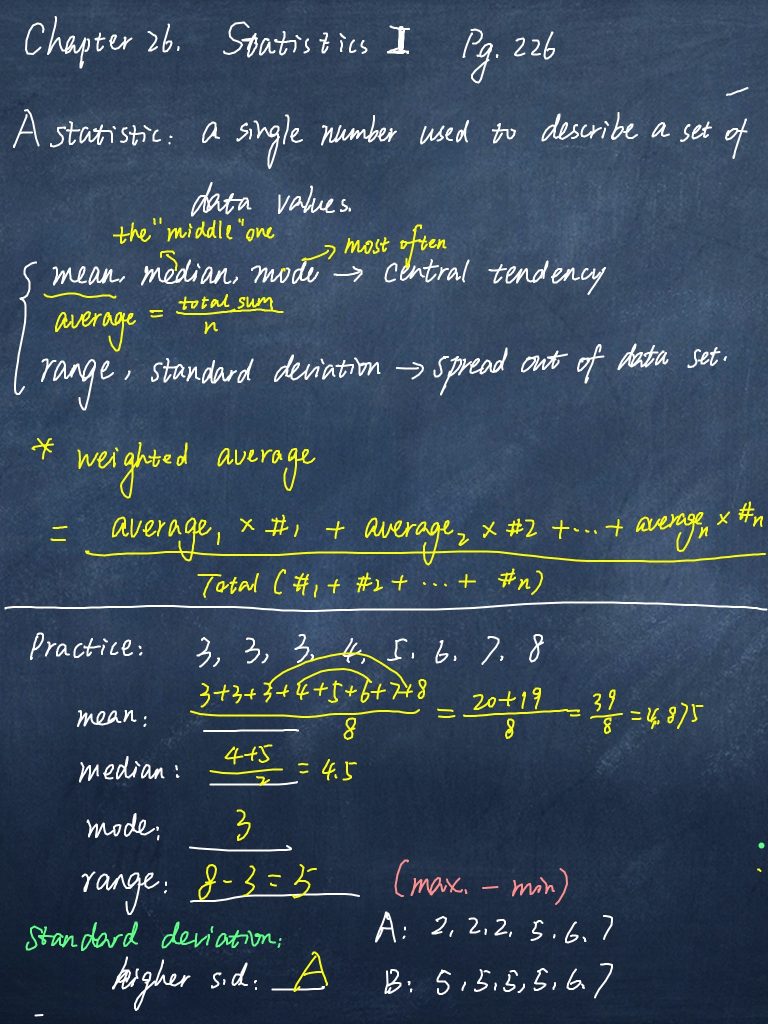
Lesson review:

Extra resource:
-https://youtu.be/zjHfAhcU6kE

-https://www.khanacademy.org/math/probability/data-distributions-a1/summarizing-spread-distributions/v/range-variance-and-standard-deviation-as-measures-of-dispersion

Homework:

Chapter Exercise Pg.230-235

Google Form in Google Classroom (26 questions in total)

No school next week:) See you all on May 31st!

AoPS Number Theory Ch.13 Divisibility Rules

lilijia Posted in AoPS_Number_Theory
Comments Off on AoPS Number Theory Ch.13 Divisibility Rules

Congratulations to Jason, Julia, Alex, Susan, and Gioia on the Kahoot! Game today:)

Lesson review:

  • Let m be a nonnegative integer. Every nonnegative integer is congruent modulo 2^m, modulo 5^m, and modulo 10^m to its last m digits.
  • Every nonnegative integer is congruent modulo 3, modulo 9 to the sum of its digits.
  • Every nonnegative integer is congruent modulo 11 to the alternative sum of its digits.
  • 2n⇋units digit is even
  • 5n⇋units digit is 5 or 0
  • 10n⇋units digit is 0
  • k*2^m ⇋ its last m digits themselves form an integer that is a multiple of 2^m
  • k*5^m ⇋ its last m digits themselves form an integer that is a multiple of 5^m
  • k*10^m ⇋ its last m digits are all 0.
  • 3n⇋ the sum of its digit is 3k
  • 9n⇋ the sum of its digit is 9k
  • 11n⇋ the alternating sum of its digit is 11k

Extra Resource:

  • Divisibility rules for 2-12
  • Divisibility rule for 11
  • Divisibility rule for 9

Homework:

  • Pg. 252 Ex.13.2.1 (a,c), 13.2.2(c,f), 13.2.3(a,f), 13.2.4
  • Pg. 255 Ex.13.3.2, 13.3.4, 13.3.6
  • Pg. 257 Ex. 13.15 to 13.19, 13.25

No School next week. Enjoy the Memorial Day Holiday, and see you all on May 31st!

SAT Math Ch.25 Probabilities

lilijia Posted in SAT math
Comments Off on SAT Math Ch.25 Probabilities

Congratulations to Irene, Ellen, and Tina for being Top 3 in our “just for fun” Kahoot! game, followed by Emma and Kevin as well:)

Lesson Review

How to solve probabilities problems in SAT Math:

  • read the question, underline the keywords/phrases
  • pick the target numbers
  • write the equation: probability = # of target outcomes/ # of total outcomes
  • check your answer

Homework

Last but not least,

Happy Mother’s Day to all our dear moms ^_^

AoPS Number Theory Ch.12 Intro to Modular Arithmetic

lilijia Posted in AoPS_Number_Theory
Comments Off on AoPS Number Theory Ch.12 Intro to Modular Arithmetic

Lesson review

Summary

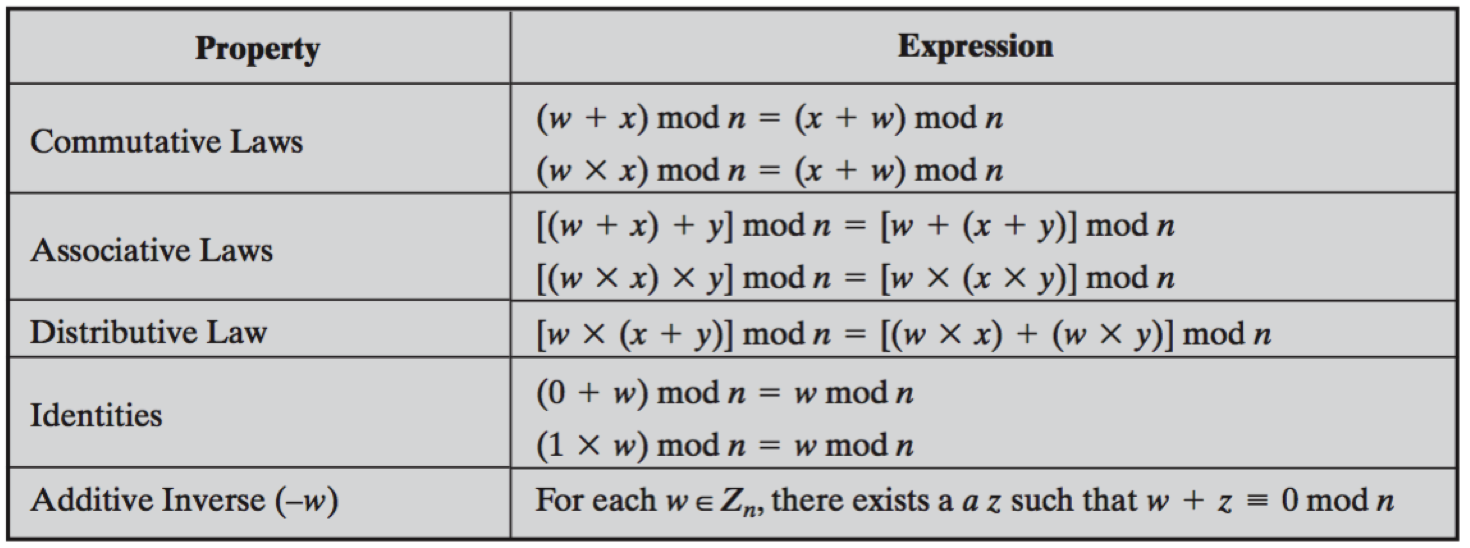
  • Modular system, modulus m, residue r
  • r is the modulo-m residue of n when n\equiv r (mod m) and  0<= r < m
  • congruent or equivalent modulo m
  • The integers congruent to r modulo m make up a residue class (congruence classes or equivalence classes).

Extra Resource

Homework

  • p.221 Ex.12.2.1 (i,j,k,l), 12.2.3, 12.2.6
  • p.224 Ex.12.3.1, 12.3.2 to 12.3.4(a,c,e,f)
  • p.230 Ex.12.4.1 (a,c,e,f),12.4.2, 12.4.4
  • p.236 Ex.12.5.1(a,c,e,f), 12.5.2, 12.5.5
  • p.239 Ex.12.6.2(a), 12.6.5
  • p.242 Ex.12.26

Sorry that we have so much information for this chapter 🙁 Please feel free to reach out if you have any questions. See you next Sunday!

SAT Math Ch.23 Reading Data

lilijia Posted in SAT math
Comments Off on SAT Math Ch.23 Reading Data

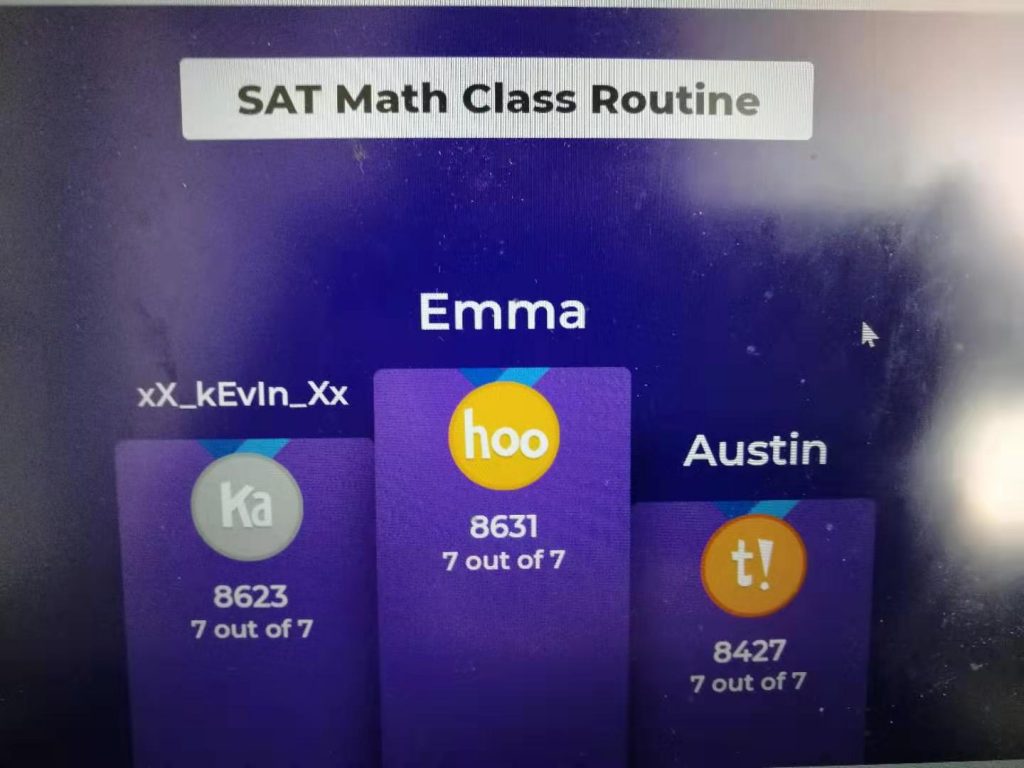
Congratulations to Emma, Kevin, and Austin on our Kahoot! today!!

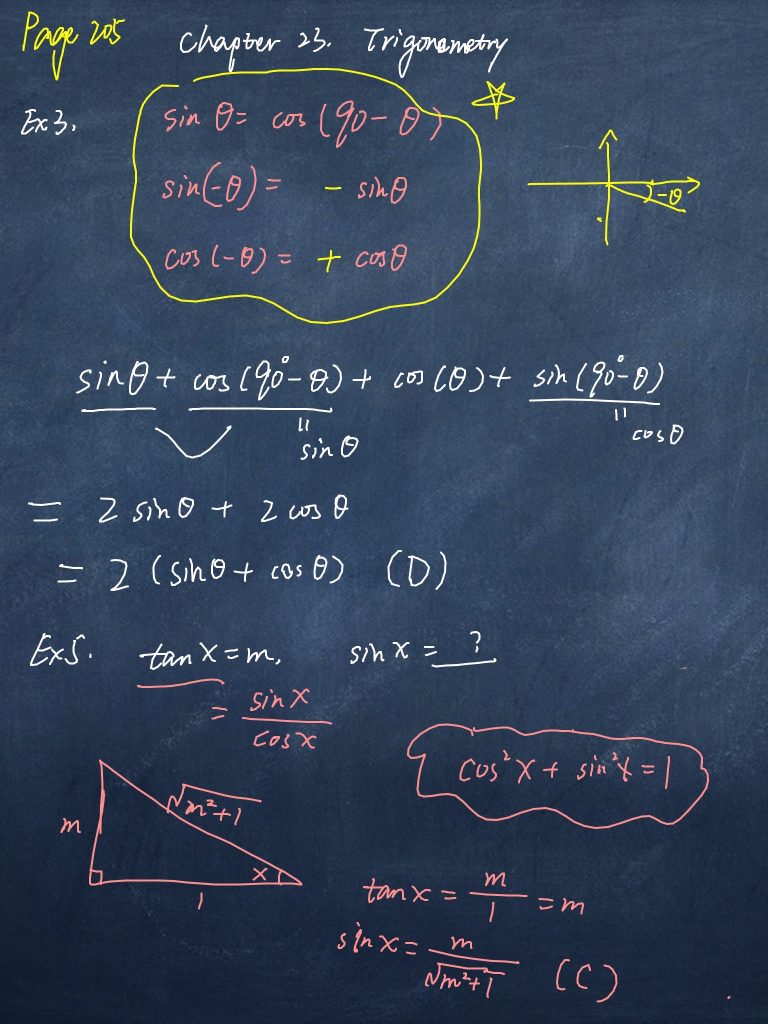
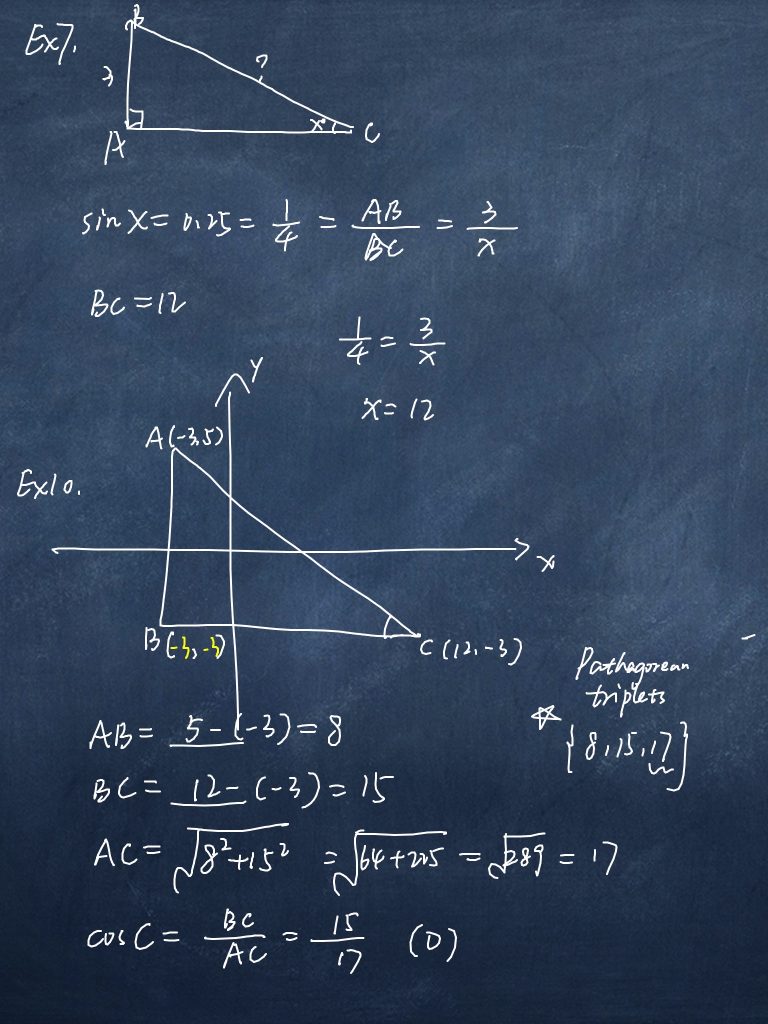
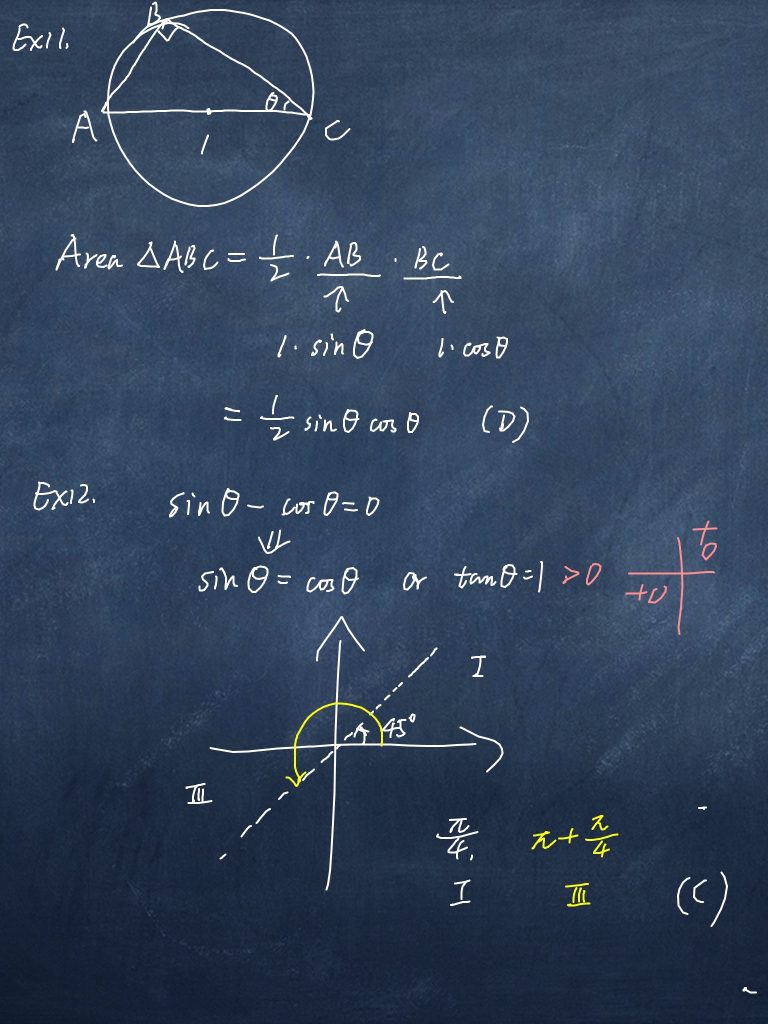
Ch.22 Trigonometry HW review

Ch. 23 Reading Data

https://forms.gle/71FWZ5kUVGYz4bhn9

We will take our final exam on 6/14, and go through all the questions on 6/21 (last day of school). I will design another Google Form for the final exam. Please get yourself familiar with it:)

Take care and see you next Sunday!

AoPS Number Theory 10.3.3 Answer

lilijia Posted in AoPS_Number_Theory
Comments Off on AoPS Number Theory 10.3.3 Answer

Some students asked me about this problem. Here is the answer:

Make sure you have considered all the possibilities:)
AoPS Number Theory Ch.11 Decimals and Fractions

lilijia Posted in AoPS_Number_Theory
Comments Off on AoPS Number Theory Ch.11 Decimals and Fractions

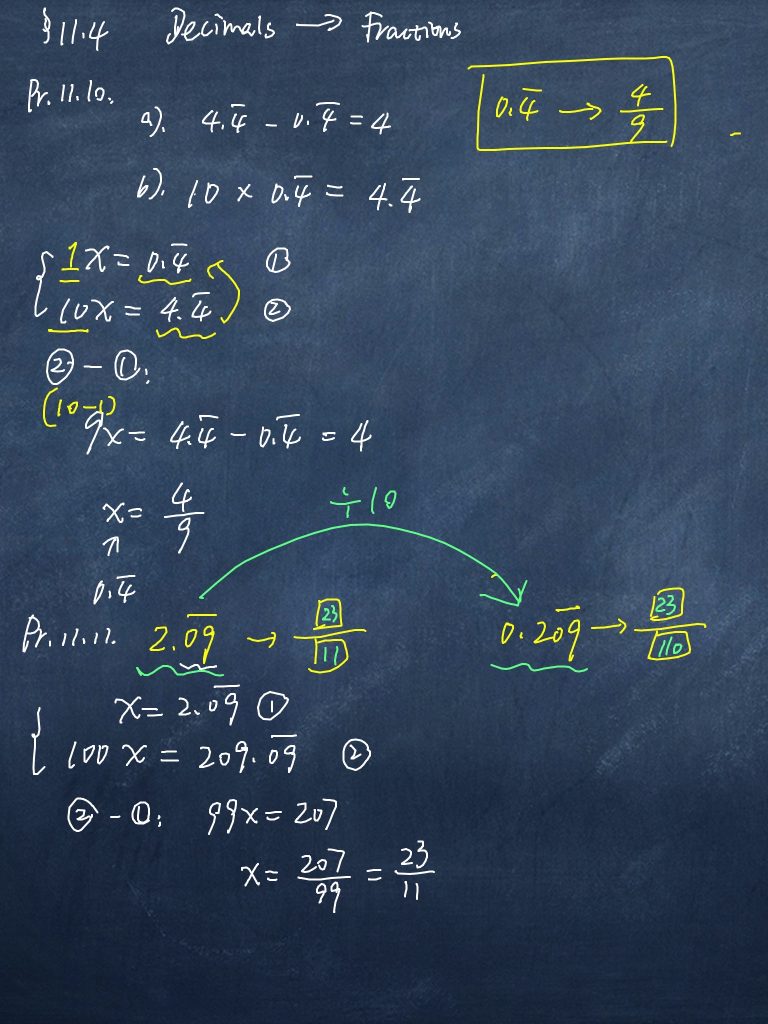
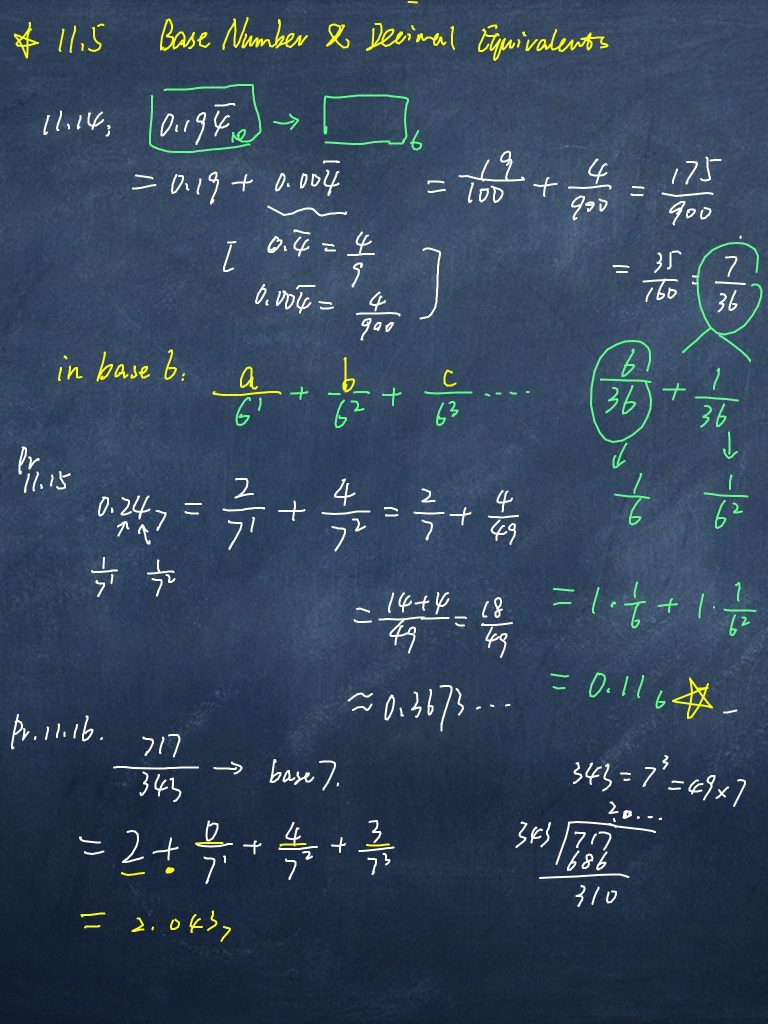
Ch.11 Decimals and Fractions

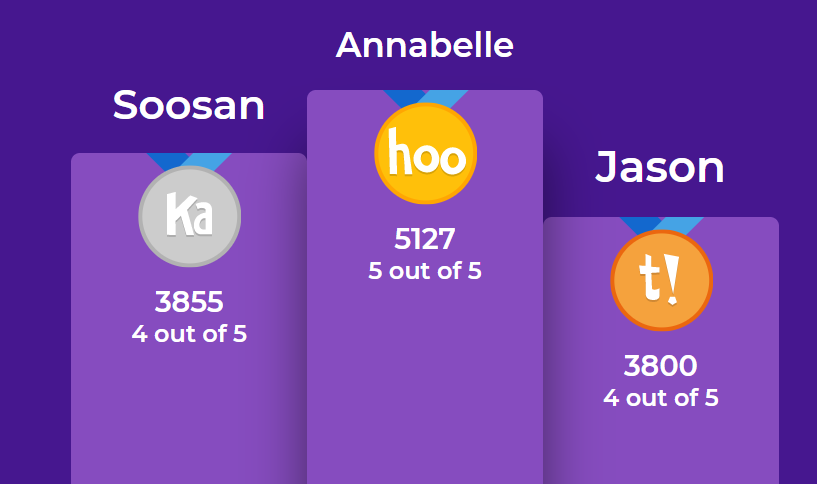
Congratulations to Annabelle, Susan, and Jason on the Kahoot! game!

Lesson review:

  • terminating decimals
  • repeating decimals (recurring decimals)
  • radix point: the dot to separate an integral part of a number from the fractional part
  • divide by 10^n — move the decimal point n places to the left
  • a/b in lowest term: if b has a prime factor other than 2 or 5, then a/b has a repeating expansion
  • a/b in lowest term: # of digits past the decimal point is the larger of the power of 2 and 5 in the prime factorization of b.
  • 3 types of decimals:
    • Terminating decimals: have a finite number of digits after the decimal point.
    • Recurring decimals: have one or more repeating numbers or sequences of numbers after the decimal point, which continue infinitely.
    • Irrational numbers: decimals which go on forever, never- ending and never forming a repeating pattern; cannot be expressed as a fraction. 

Extra Resource:

Homework:

  • p.198 Ex.11.2.1 (a,c,f,h), 11.2.2 (a,b,c,d)
  • p.203 Ex.11.3.1 (a,c,f,h), 11.3.2
  • p.206 Ex.11.4.1 (a,c,e)
  • p.210 Ex.11.5.1(a,c,f,h), 11.5.2 (a,b,c,d)
  • p.211 Ex.11.19, 10.20
  • p.212 Ex. 11.26, 11.29(b), 11.30

See you next Sunday!!!